

There was a time when cybersecurity felt almost predictable. Install antivirus, run scans, update systems, and hope nothing slips through. That approach worked for a while, but the digital world didn’t stay still. Attacks became faster, smarter, and far less visible. Businesses started realizing that reacting after the damage was done simply wasn’t enough.
This is where CrowdStrike began shifting the conversation. Not loudly, not with flashy promises, but by changing how protection actually works behind the scenes.
Instead of treating security like a wall, CrowdStrike approaches it more like a living system that constantly watches, learns, and adapts. That idea alone has influenced how many organizations now think about protecting their data.
Moving Beyond the Old Antivirus Mindset
Traditional antivirus tools were built for a different era. They relied heavily on known threats. If something had not been seen before, chances were it could slip past unnoticed.
CrowdStrike introduced a different way of thinking. Rather than focusing only on known malware, it focuses on behavior. That means identifying suspicious actions instead of waiting for a confirmed threat signature.
For businesses exploring endpoint security, this shift matters. It is no longer just about blocking files. It is about understanding what is happening across devices in real time.
That change might sound subtle, but it completely redefines how security teams operate. Instead of constantly chasing threats, they start anticipating them.

A Cloud-First Approach That Actually Feels Modern
One of the more interesting aspects of CrowdStrike is how naturally it fits into cloud environments. Many older systems were adapted to work in the cloud, but they were never truly built for it.
CrowdStrike, on the other hand, was designed with cloud infrastructure in mind. That means faster deployment, easier scaling, and less reliance on heavy local installations.
Companies dealing with cloud security challenges often find this especially useful. There is less friction when integrating protection across multiple systems, whether employees are in the office or working remotely.
And in a world where teams are scattered across locations and devices, that flexibility is not just convenient. It is necessary.
Why Real-Time Threat Detection Changed Expectations
Another quiet shift came from how quickly threats could be detected and handled. In the past, delays were almost expected. Alerts would come in, teams would investigate, and responses would follow.
CrowdStrike helped compress that timeline significantly. Detection and response now happen almost instantly, which changes how companies measure risk.
When businesses look into threat detection, speed becomes a defining factor. A few minutes can make the difference between a contained issue and a major breach.
This has raised expectations across the industry. Security is no longer judged only by whether it works, but by how fast it reacts.
The Role of Intelligence, Not Just Protection
Another reason CrowdStrike stands out is its use of threat intelligence. It does not just block attacks. It provides context.
That means understanding where threats are coming from, how they behave, and what patterns they follow. For security teams, this kind of insight turns raw data into something actionable.
Instead of guessing, decisions become informed. And over time, that builds a stronger, more resilient system.
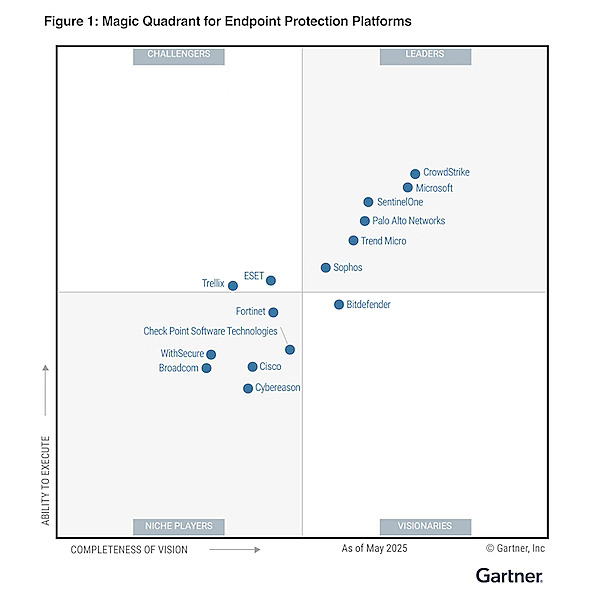
Why Businesses Are Rethinking Their Security Stack
Many organizations that once relied on multiple disconnected tools are starting to simplify. The idea of managing separate systems for detection, response, and monitoring is becoming less appealing.
CrowdStrike has played a role in pushing this shift. By bringing several capabilities into one platform, it reduces complexity without sacrificing depth.
This is particularly appealing for teams that want control without unnecessary overhead. Security becomes easier to manage, but still powerful enough to handle advanced threats.
A Subtle but Lasting Impact
What makes CrowdStrike interesting is not just what it offers, but how it has influenced the broader mindset around cybersecurity.
It did not simply introduce another tool. It encouraged businesses to rethink their entire approach. From reactive defense to proactive monitoring. From isolated systems to connected intelligence.
For companies exploring modern protection, Crowdstrike often becomes part of that journey. Not just as a solution, but as a reference point for what security can look like today.
And as more organizations adopt this mindset, crowdstrike continues to shape expectations in ways that feel less like disruption and more like a natural evolution.
In the end, the biggest change is not technical. It is psychological. Security is no longer just about stopping threats. It is about staying ahead of them.